A lot has changed over the course of this trip—both in my personal life and in how I want to approach this project. While traveling through Italy, I found myself reflecting deeply on my family, my future, and what this story is really about. Originally, I planned for queerness to be the central theme, but the more I thought about it, the more I realized that wasn’t quite right. My identity has shaped me, of course, and it influenced my home life, but it wasn’t always the biggest thing on my mind. The heart of this story lies in family—the tensions, the moments of connection, and the things left unsaid.
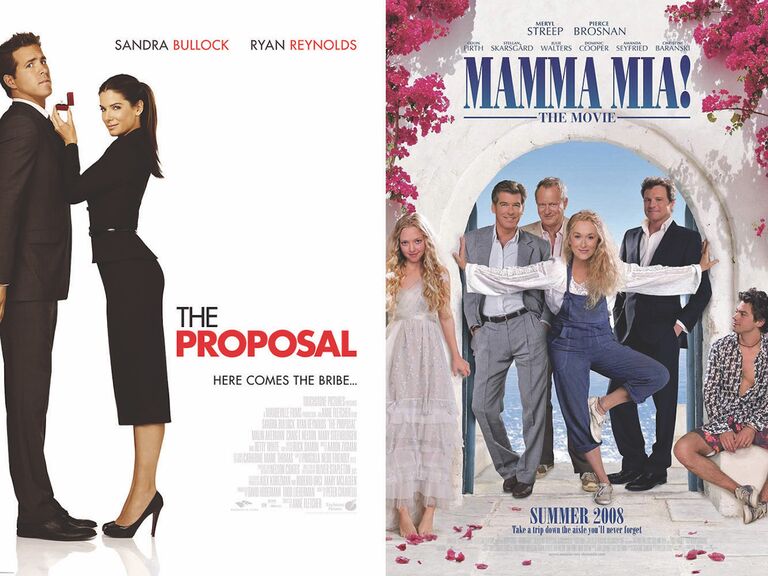
During my travels, I also spent time studying different film openings, particularly those that establish character, tone, and relationships in an engaging way. Three films stood out to me: *50 First Dates*, *Mamma Mia!*, and *The Proposal*.
Story Structure
I originally considered structuring the story in a way that spanned different life stages but I’ve realized I don’t feel ready to write about a future version of myself that doesn’t exist yet. Instead, I want to focus on a smaller window of time, exploring the weight of the past while keeping the story grounded in the present.
Film Openings & What I Learned
Each of these films opens in a way that immediately establishes the protagonist’s personality and world.
*50 First Dates*
The film begins by showing multiple women recounting their experiences with Henry, played by Adam Sandler. Each woman describes an amazing romance, only for us to realize Henry never follows through—he’s only interested in short-term flings. This montage establishes Henry’s character in a lighthearted, engaging way before we even meet him directly.
*Takeaway:* A strong opening doesn’t need to start with the protagonist in action—it can build their character through external perspectives. This made me consider whether I could open my story with the family discussing the protagonist before we actually meet them. It might be an interesting way to establish their place within the family dynamic.
*Mamma Mia!*
The movie opens with Sophie reading her mother’s old diary entries, setting up the central mystery of her father’s identity. The combination of voiceover, visuals of the Greek island, and Sophie’s excitement immediately establishes the film’s setting and conflict.
*Takeaway:**Using letters, recordings, or indirect storytelling can quickly establish relationships and stakes. While I don’t want to use voiceover, I do like the idea of incorporating an object or piece of writing that hints at family history or tension—maybe something the protagonist brings home with them.
*The Proposal*
This film opens with a fast-paced sequence showing Margaret (Sandra Bullock) in her high-powered job. We quickly learn that she’s a demanding boss, and her assistant Andrew (Ryan Reynolds) is constantly scrambling to keep up. The dynamic is established in under two minutes, giving us immediate insight into their relationship.
*Takeaway:*Movement and pacing are key to immersing the audience. While my story isn’t as fast-paced, I want to make sure the opening keeps the momentum going. I might consider using the protagonist’s train ride as a way to establish their mental state—showing their anxious energy through pacing, quick glances at their phone, or adjusting their backpack.
Next Steps
These films have helped me refine my approach—not just for the opening but for the overall tone of the story. Now that I’m focusing more on family, I want to explore more films that develop a strong supporting cast while keeping the protagonist at the center.
I’m also interested in films about travel and transition—stories where movement plays a role in character development. Since the protagonist is coming home after time away, I want to explore how physical travel can mirror emotional shifts.
By the end of the week, I’ll finalize a storyboard, plot breakdown. From there, I’ll refine my approach and prepare for production.
This past week, we officially began working on our film opening portfolio projects, and my mind immediately started racing with ideas. It didn’t take long for me to settle on a direction—I knew I wanted to create a drama. While I’ve always gravitated toward romance and horror films as a viewer, I realized that, as a creator, drama offers the depth and emotional complexity that truly excites me. Thinking about how much I’ve grown this year, I’ve learned that research is crucial in shaping a meaningful story. So, I started digging into the drama genre to refine my approach.
For my project, I plan to focus on a single character dealing with loss, but I also want to incorporate supporting characters who provide emotional relief. While the story will be rooted in sorrow, I don’t want it to feel overwhelmingly heavy—I want to balance the weight of tragedy with moments of connection, warmth, and even quiet happiness. This balance is something I’ve been studying in other films.
One film that deeply inspires me in this regard is Before Sunrise (1995), directed by Richard Linklater. Unlike traditional tragedy, Before Sunrise is a dialogue-driven, introspective drama that captures fleeting moments of human connection. The film follows two strangers, Jesse and Céline, who meet on a train and spend a single night together in Vienna, sharing conversations that feel deeply personal and emotionally charged.
What fascinates me about Before Sunrise is how it builds intimacy through cinematography, naturalistic dialogue, and character-driven storytelling. Richard Linklater’s use of long takes and fluid camera movements immerses the audience in Jesse and Céline’s conversations, making their connection feel authentic and deeply moving. The film also heavily relies on close-ups, a technique I plan to incorporate into my own project. Charlie Chaplin once said, "Life is a tragedy when seen in close-up," and I completely agree. Close-up shots allow viewers to read subtle emotions on a character’s face, which is essential for a drama that revolves around personal loss.
Another aspect I want to study from Before Sunrise is how it blends melancholy with warmth. Despite the film’s bittersweet nature—two people forming a deep bond only to part ways—there are moments of lightness, humor, and charm. This balance is something I admire and want to apply in my own work.
By analyzing Before Sunrise, I’m learning how to craft a film that feels raw and deeply human. I plan to use:
Hey, Cambridge crew! 🎬 From this point on, my blog posts will be dedicated to documenting the journey of my Cambridge Final Project. Everything I’ve shared up until now has been a stepping stone, helping me explore key concepts that will shape my final film. Honestly, this transition feels both exciting and nerve-wracking—because now, it’s all becoming real! But with the knowledge I’ve gained and continue to develop, I’m confident that I can create something truly impactful.
To kick off this journey, my class and I delved into the significance of film openings and how they establish purpose. We explored various approaches filmmakers use to craft compelling introductions, each offering unique ways to engage the audience right from the start.
One approach I’m particularly drawn to is developing context and background. Since this project requires me to create a two-minute film introduction, establishing context feels like a natural and effective way to lay the groundwork for the story. What excites me most about this method is its versatility—it can work across different genres and allows for creative storytelling that isn’t confined to a strictly linear structure. By incorporating context from the beginning, I can set up the tone, atmosphere, or even hint at past events that influence the unfolding narrative.
Another approach I find intriguing is developing character. This method appeals to me because it offers endless opportunities for creativity and depth. Crafting a character-driven opening means focusing on key details like costume design, body language, interactions with the environment, and even dialogue to bring my character to life. This approach provides a clear direction for my introduction while still allowing room to expand on the world surrounding the character. I love how it enables me to immediately immerse the audience in the protagonist’s personality, struggles, or motivations, making them invested right from the start.
As I embark on this project, I’m excited to experiment with these techniques and see how they shape my final film. Stay tuned for more updates on this creative journey—this is just the beginning! 🎥✨
It is a pleasure to be sharing updates with you once again. In our AICE Media AS course, we are currently working on an exciting and multifaceted project focused on music marketing. For this assignment, we have been tasked with developing a comprehensive marketing campaign for an artist or music group, which we are required to create from scratch. The project is centered around a specific genre, and my group has been assigned the genre of Pop.
The project is quite extensive, encompassing various phases that include research, planning, and creative work. We began by conducting research into two major music production companies: Universal Music Group and Warner Music Group. Each member of our group was responsible for researching one pop artist signed to one of these two companies. The artists we focused on from Universal Music Group were Sabrina Carpenter, Ariana Grande, and Justin Bieber, while I personally focused on Charli XCX, an artist signed to Warner Music Group.
Through our research, we analyzed the branding, marketing, and distribution strategies employed by these artists. We were particularly interested in identifying common practices across their campaigns, which we could then apply to our own project. A significant takeaway from this research was the importance of social media presence in the marketing efforts of pop artists. It became clear that all the artists we examined were highly active on platforms like Instagram and TikTok, where they frequently engaged with their fans, shared content, and promoted their music. Given the centrality of social media in contemporary music marketing, we have decided to incorporate it as a major component of our marketing strategy for the fictional artist we are creating.
In addition to social media, we found that streaming platforms such as Spotify and Apple Music played a key role in the distribution of the artists’ music. These platforms provide artists with a vast audience and are essential for reaching listeners in today’s music industry. Moreover, we discovered that many of the artists we researched also had personal websites where they sold merchandise, vinyl records, and exclusive content. This online retail presence is something we plan to implement for our own artist, as it has proven to be an effective way for pop artists to generate additional revenue and build a direct connection with their fans. Overall, our research has provided us with a wealth of insights into the marketing strategies of successful pop artists, and we are excited to apply these techniques as we move forward with our own project.
Once we completed the research phase, our teacher provided us with a selection of four pop songs to choose from. We were tasked with selecting one song from this list and building an artist, music video, and marketing campaign around it. After careful consideration, our group selected the song Awkward by San Cisco. Using this track as the foundation, we are developing a fictional pop artist and brand, as well as crafting a music video that aligns with the artist’s identity and the song’s themes.
Given the complexity and scale of the project, we have broken it down into several components, each of which will contribute to the final result. These components include: creating a research chart, developing a storyboard for the music video, producing the music video itself, preparing a PowerPoint presentation that outlines the artist’s branding and marketing strategy, and finally, creating a behind-the-scenes blog post video that showcases our creative process. As a team, we have decided to approach this project in a structured and organized manner, which is why we developed a detailed timeline that breaks down the tasks and deadlines for each phase of the project. The timeline serves as a guide to ensure that we stay on track and complete each element of the project in a timely and efficient manner.
Here is an overview of our timeline:
At this stage, we are making good progress. Our storyboard for the music video has been submitted, and we have started working on the PowerPoint presentation. We have also begun crafting the background information for our fictional artist. After much discussion, we have decided to create a male solo performer who will go by the stage name Disco Landing. The artist will have a distinct retro vibe, drawing inspiration from the past while incorporating modern pop elements into his sound and image. The retro theme is central to Disco Landing’s brand, which will help differentiate him from other pop artists and provide a unique angle for marketing.
As we continue to develop the project, we will keep you updated on our progress, including the creative decisions we make, challenges we face, and the overall development of Disco Landing’s brand and marketing campaign. We are excited to see the project take shape and look forward to presenting our final result. Thank you for following along with our process!
Here is how you can access the film opening https://drive.google.com/file/d/13m4tUnF4s-BQD_hA976MBUZtvmzNV3wS/view?usp=sharing